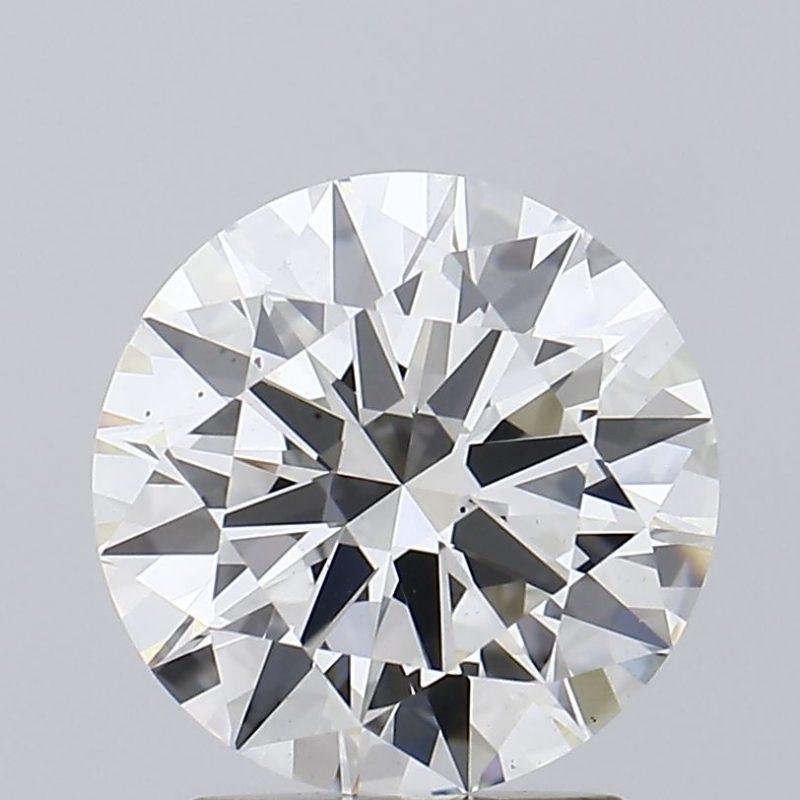
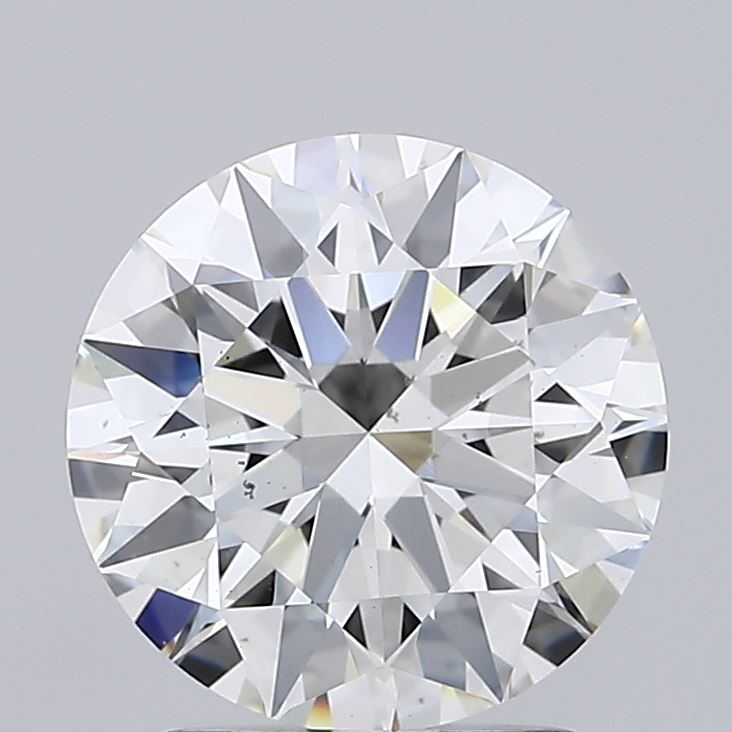
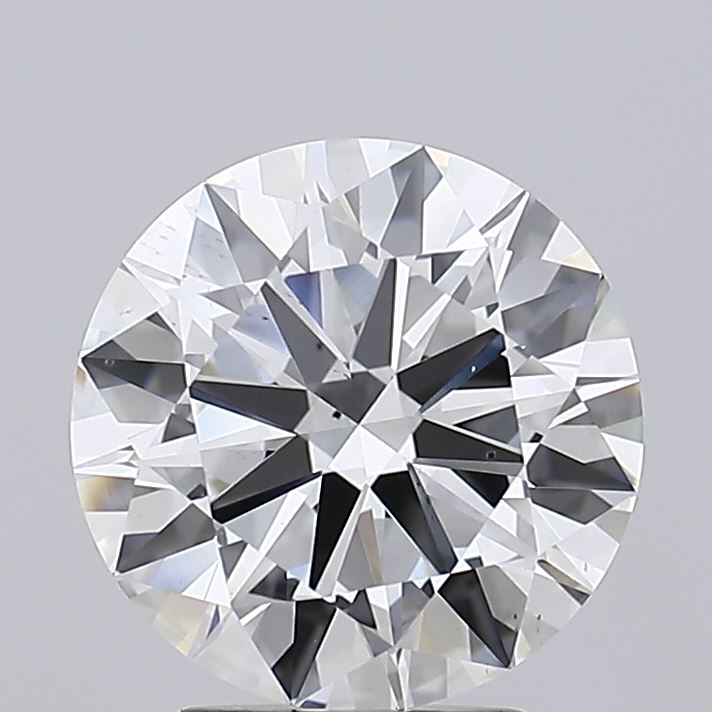
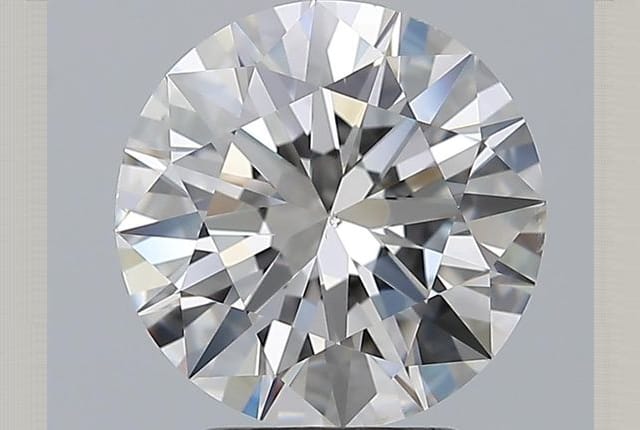
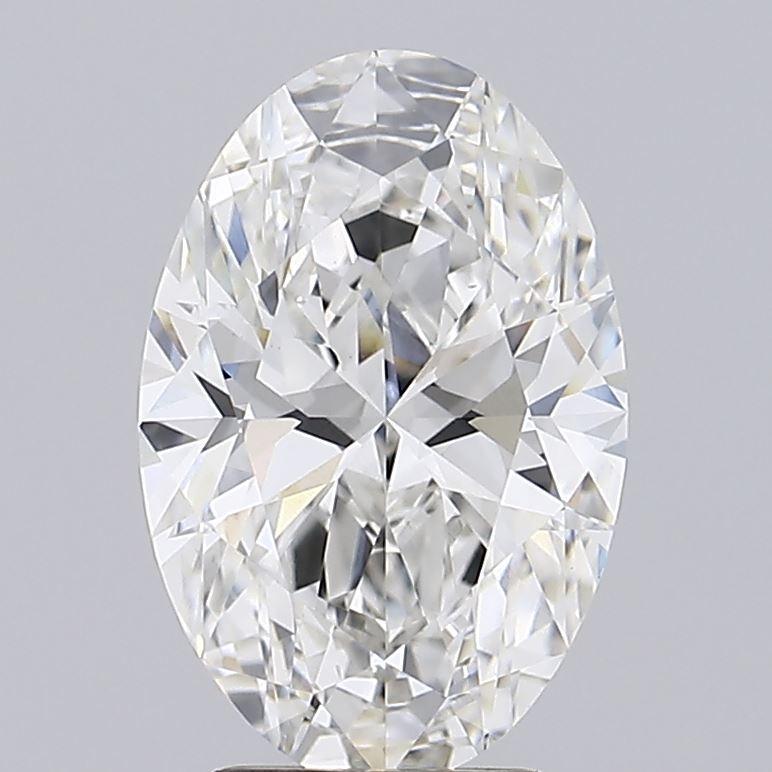
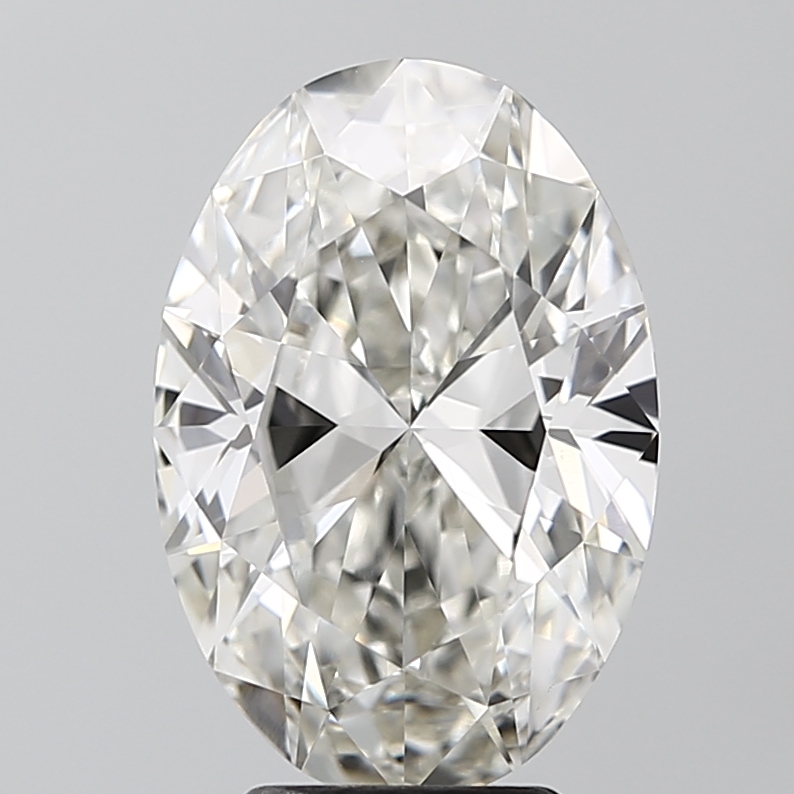
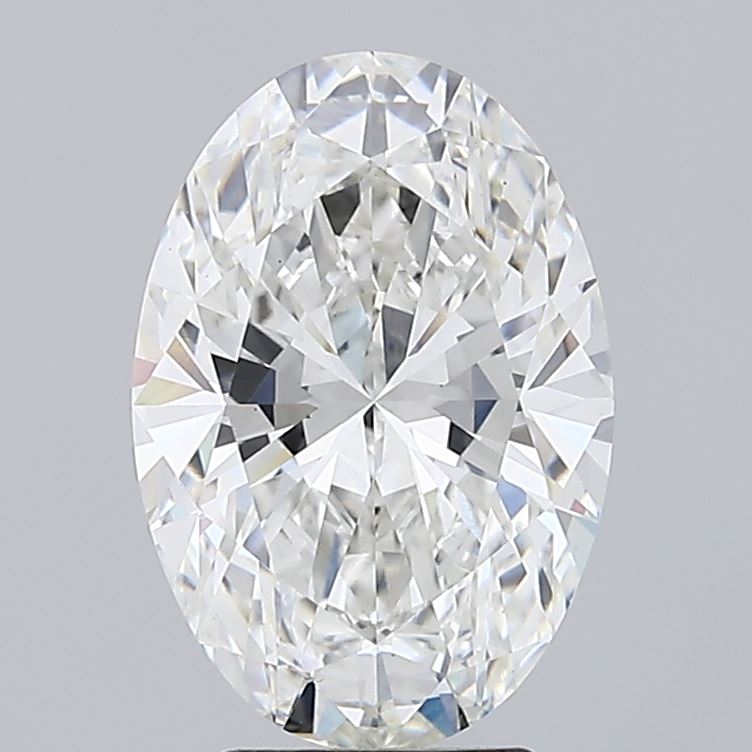
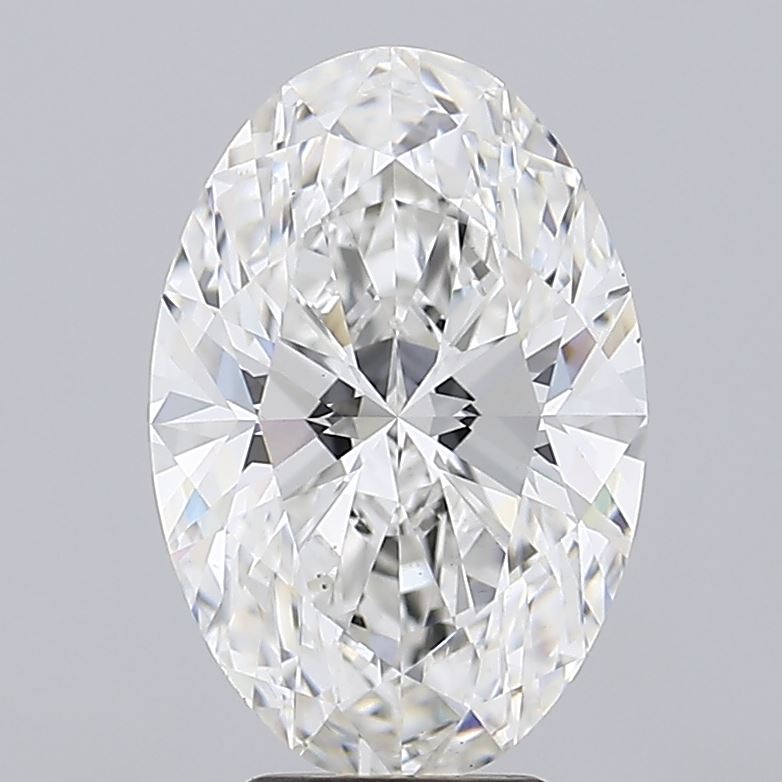
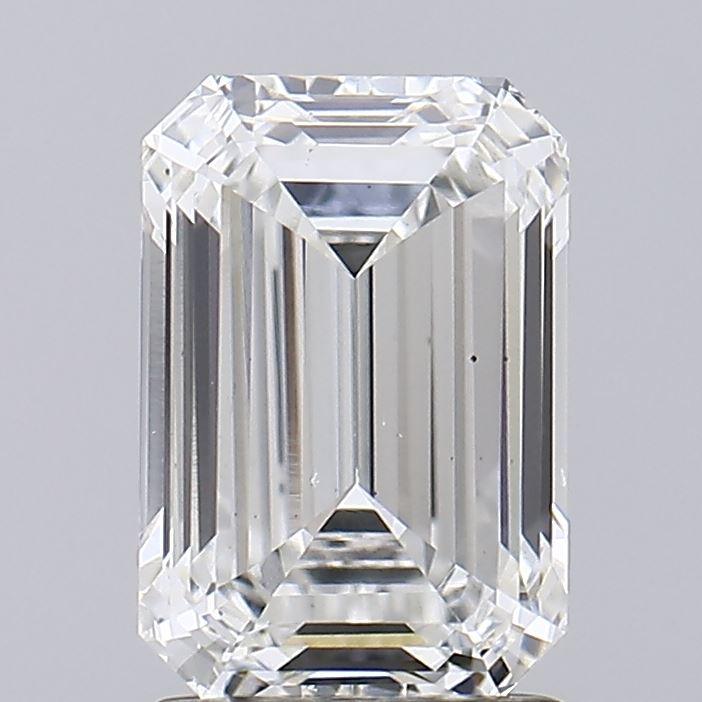
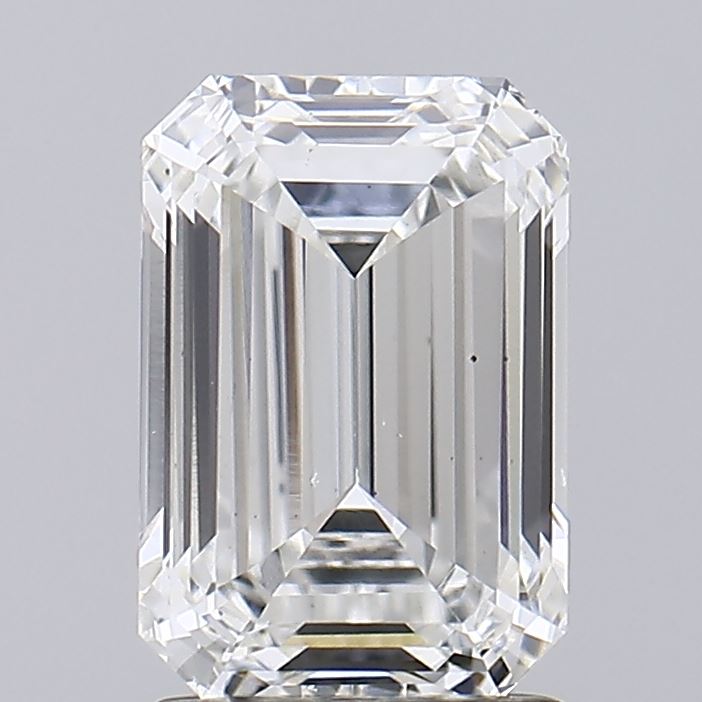
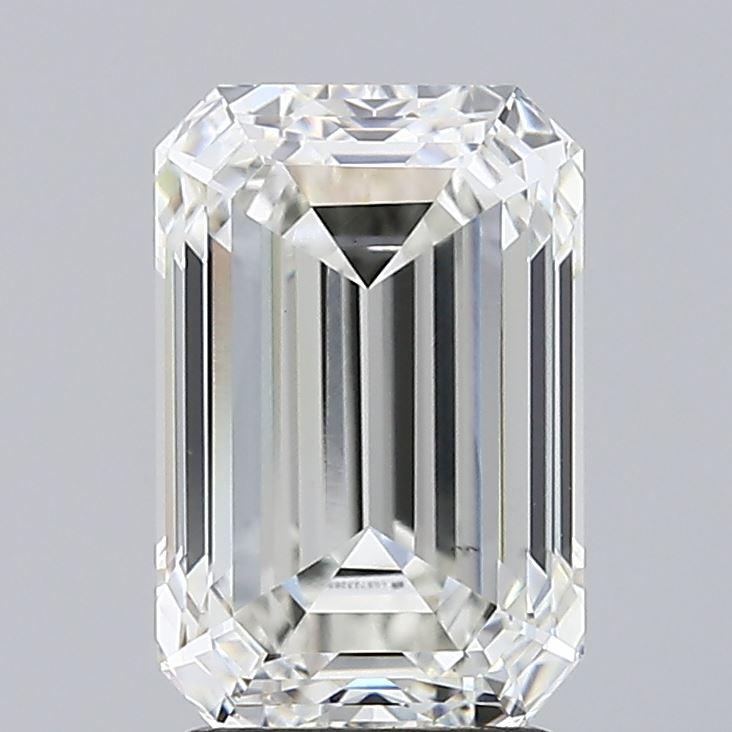
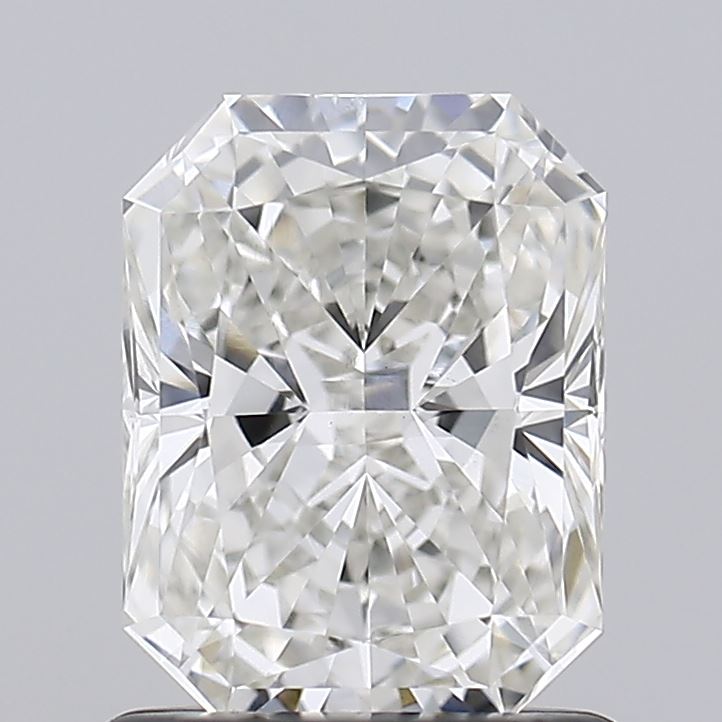
When choosing between lab-created diamonds and natural diamonds, consider a few important factors before making your decision.
Jawhara Jewellery Dubai
More about Lab Created Diamonds or Natural Diamonds
Choosing between lab-created diamonds and natural diamonds depends on what matters most to you. Before you decide, it's helpful to understand the benefits of each option. Next to Jawahra jewellery Dubai.
Natural diamonds form deep inside the Earth over millions of years. Moreover, Their rarity and natural origin make them special. Every natural diamond is unique and carries a long history, making it a timeless choice for many buyers.
Lab made diamonds are a modern alternative. Scientists grow them in advanced laboratories using technology that copies the natural diamond-growing process. Furthermore, They have the same physical, chemical, and optical properties as natural diamonds, so they offer the same beauty, sparkle, and durability.
One of the biggest advantages of lab diamonds is their ethical and sustainable origin. Moreover, They do not require traditional diamond mining, which helps reduce the environmental impact. Furtthermore, Choosing a lab-grown diamond also supports more responsible practices in the jewelry industry.
Round lab grown diamonds
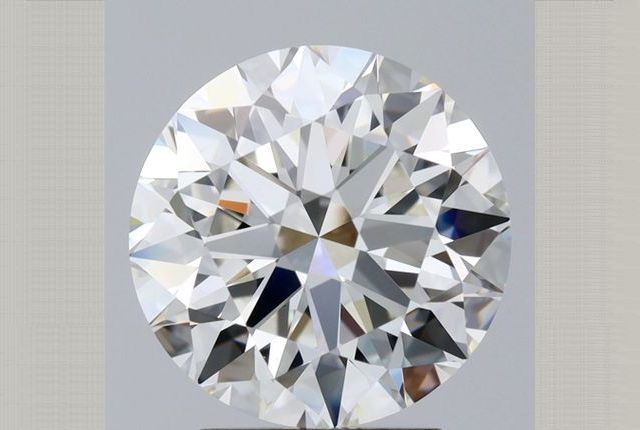
1 Carat Round lab diamond IGI 567348844
1.50 Carat Round lab diamond IGI 567348845
1.65 Carat Round lab diamond IGI 567348838
1.80 Carat Round lab diamond IGI 567356119
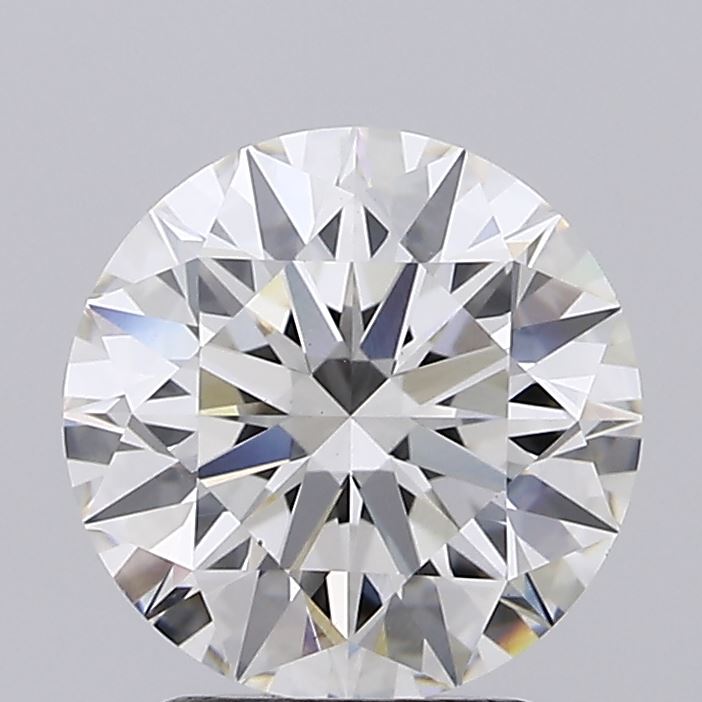
2.25 Carat Round lab diamond IGI 564369608
3 Carat Round lab diamond IGI 564369789
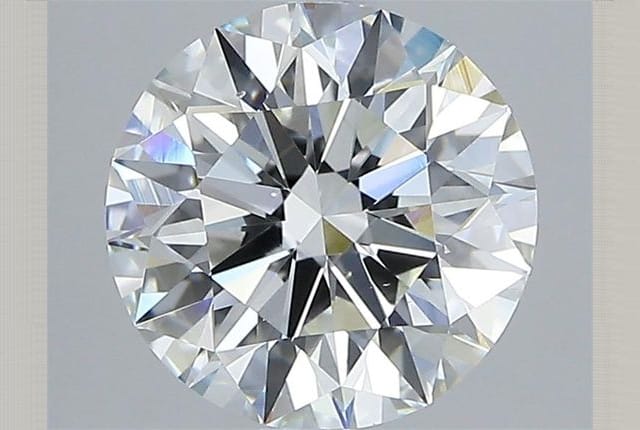
3.56 Carat Round lab diamond IGI 567356176
4 Carat Round lab diamond IGI 593375681
What Are Lab Created Diamonds?
Lab created diamonds, also called laboratory-grown or lab grown diamonds, are diamonds produced using technological processes rather than natural geological formation. Moreover, They have essentially the same chemical composition and crystal structure as natural diamonds.
They are real diamonds.
This distinction separates them from diamond simulants such as cubic zirconia and moissanite. Furthermore, Those materials may resemble diamond, but their composition and optical properties differ.
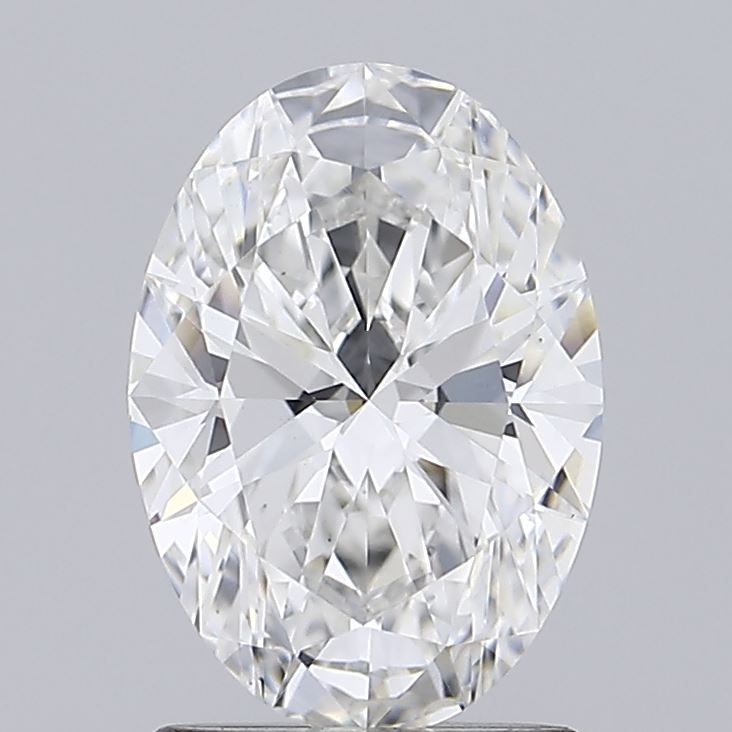
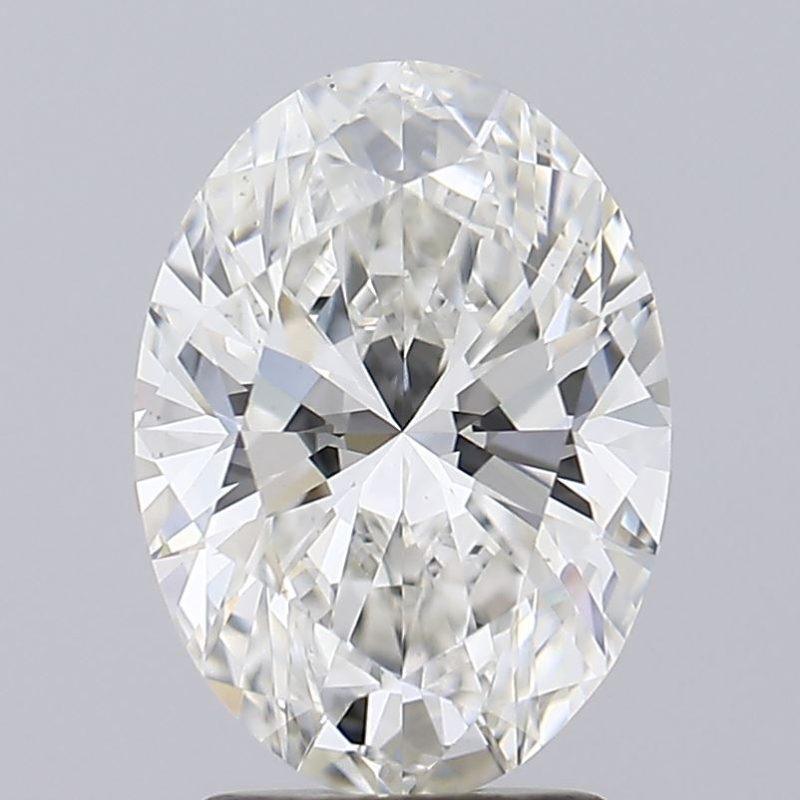
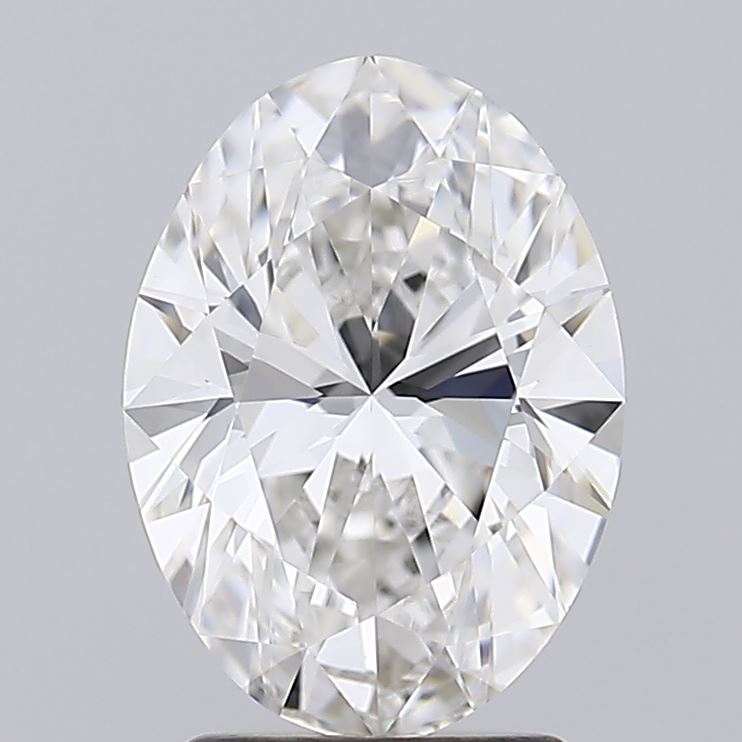
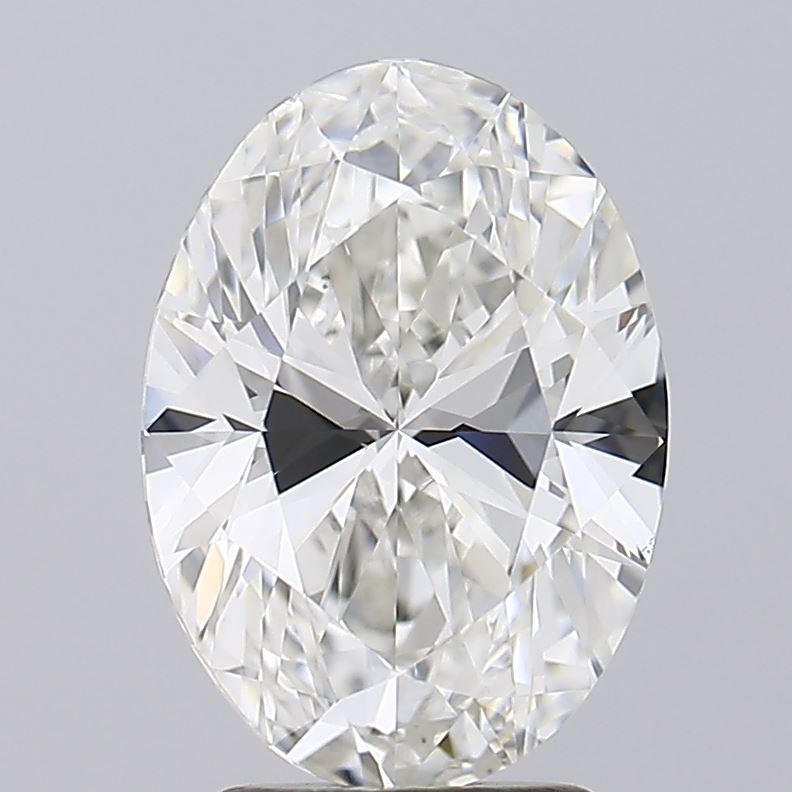
Oval lab grown diamonds
1.5 Carat Oval lab diamond IGI 551208298
2.49 Carat Oval lab diamond IGI 551274749
2.5 Carat Oval lab diamond IGI 555266862
3 Carat Oval lab diamond IGI 557213419
3.3 Carat Oval lab diamond IGI 575390852
4 Carat oval lab diamond IGI 593375679
4.32 Carat Oval lab diamond IGI 572326508
5 Carat Oval lab diamond IGI 572326517
How Laboratory-Grown Diamonds Are Made
Two principal methods are used to grow diamonds:
- High Pressure, High Temperature (HPHT): This process uses elevated pressure and temperature to support diamond growth.
- Chemical Vapour Deposition (CVD): This process grows diamond from a carbon-containing gas within a controlled chamber.
Both methods require specialised equipment and careful management of growth conditions. Moreover, Some laboratory-grown diamonds also undergo post-growth treatment to improve their colour.
Their beauty is the result of sophisticated material science, followed by the same demanding art of cutting and polishing that shapes natural diamonds.
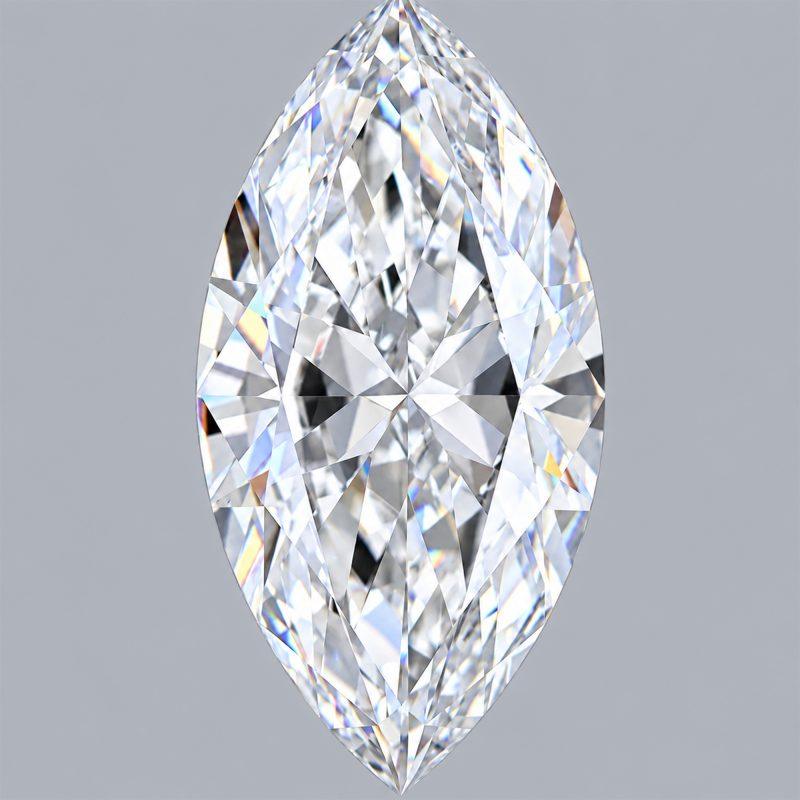
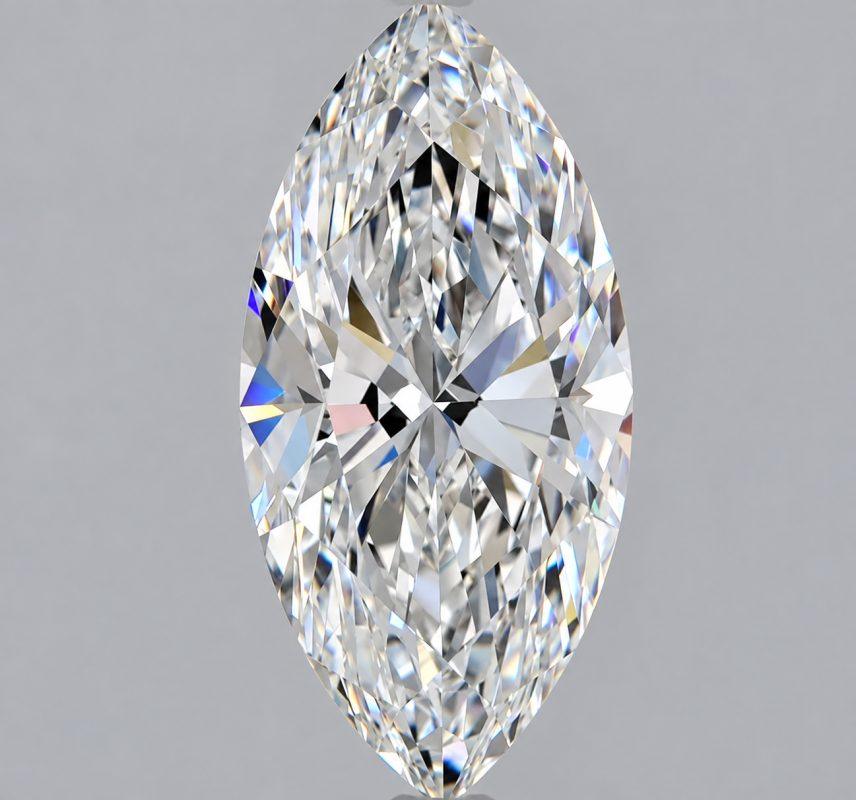
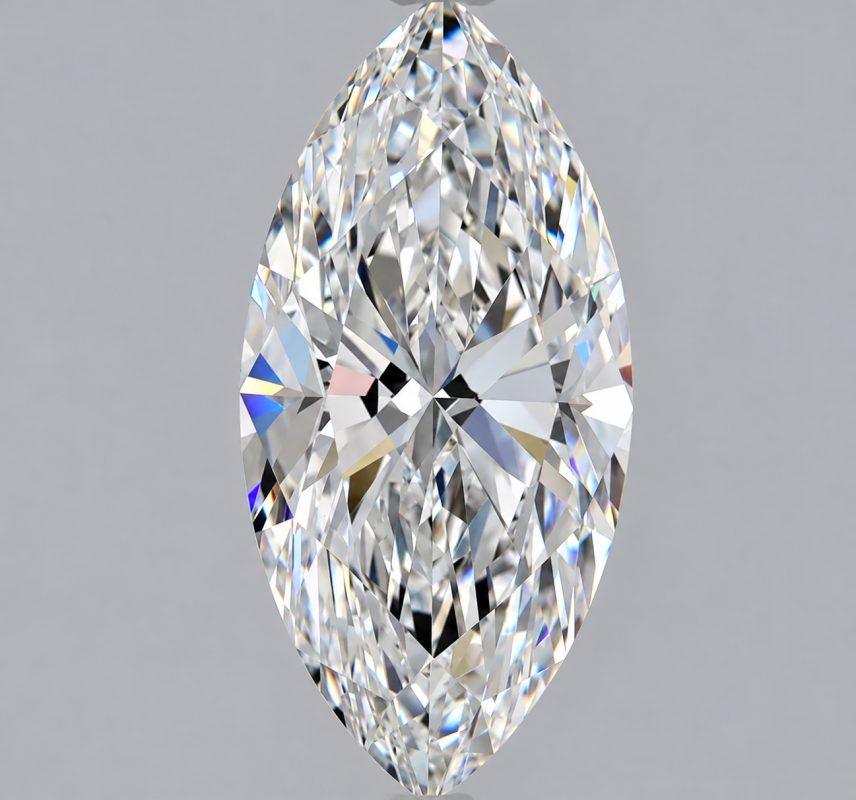
Marquise lab grown diamonds
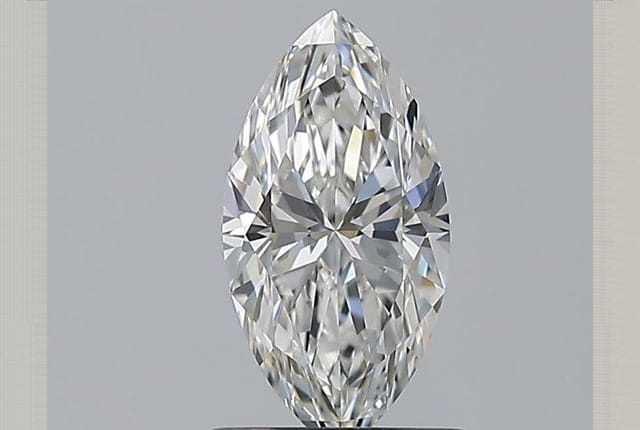
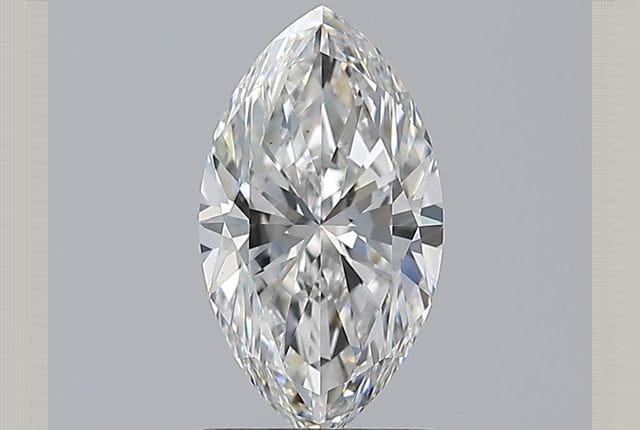
0.9 carat Marquise lab diamond – IGI 533220686
1 carat Marquise lab diamond – IGI 567377687
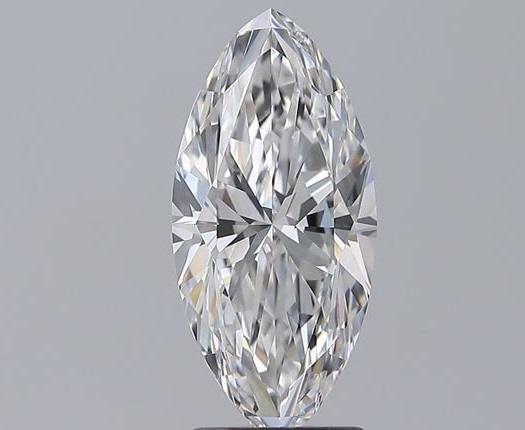
1.5 carat Marquise shape lab grown diamond – IGI 514265273
2 carat Marquise shape lab grown diamond – IGI 569324873
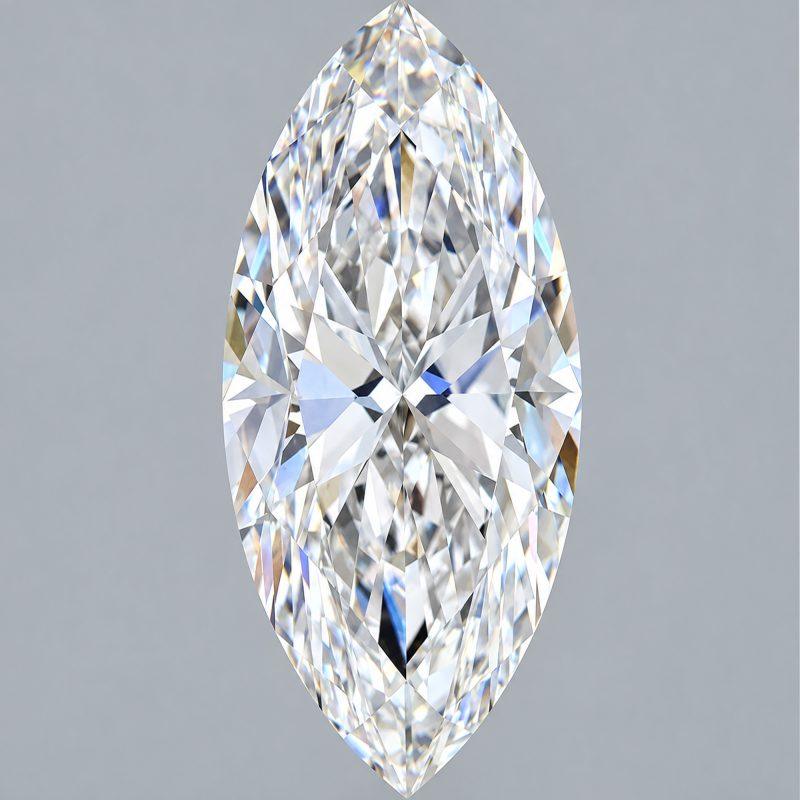
2.51 carat Marquise shape lab grown diamond
3.5 carat Marquise shape lab grown diamond
4 carat Marquise shape lab grown diamond
5 carat Marquise shape lab grown diamond
What Are Natural Diamonds?
Natural diamonds form under conditions of intense pressure and heat deep within the Earth. Furthermore, Geological processes subsequently transport diamond-bearing material closer to the surface, where it may eventually be discovered and recovered.
Their appeal carries a dimension beyond appearance. For some buyers, natural origin creates a powerful connection to geological history and the improbability of formation.
Each stone also possesses its own characteristics. Moreover, Minute inclusions, subtle colour variations, and growth features help gemmologists understand and identify it.
Natural origin does not automatically make a diamond visually superior. Beauty still depends on the individual stone.
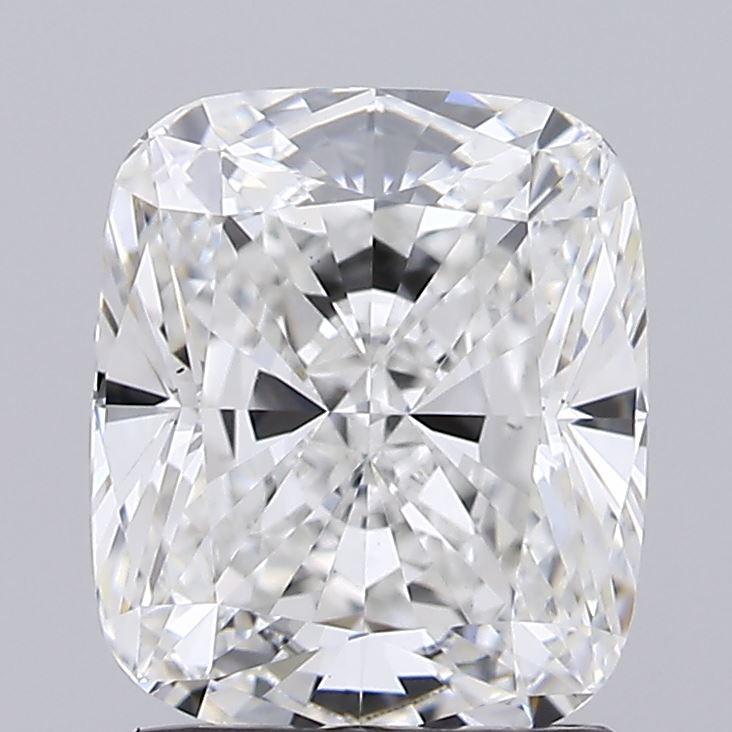
Cushion lab grown diamonds
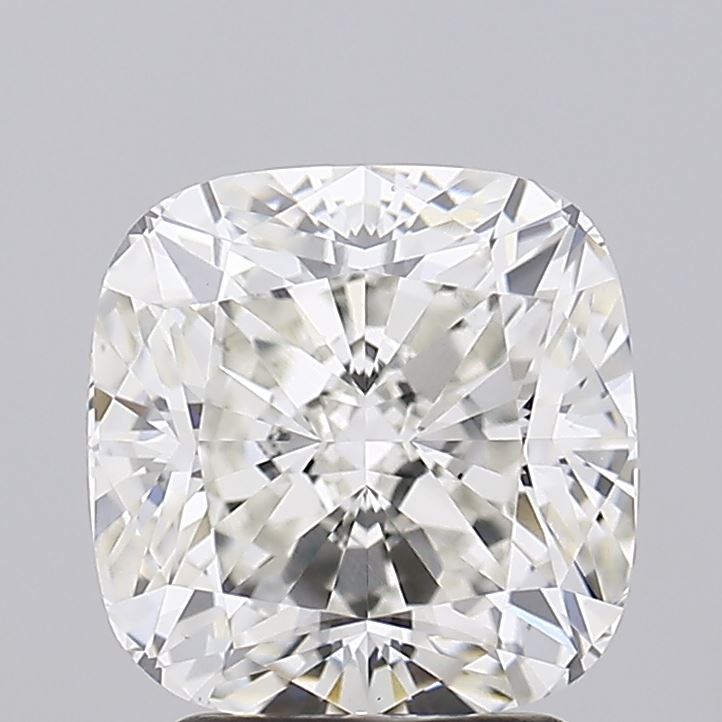
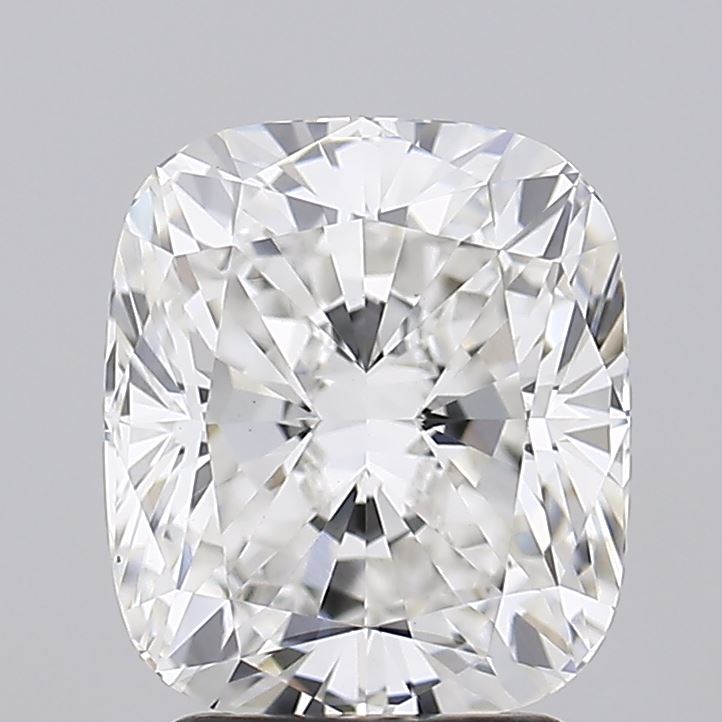
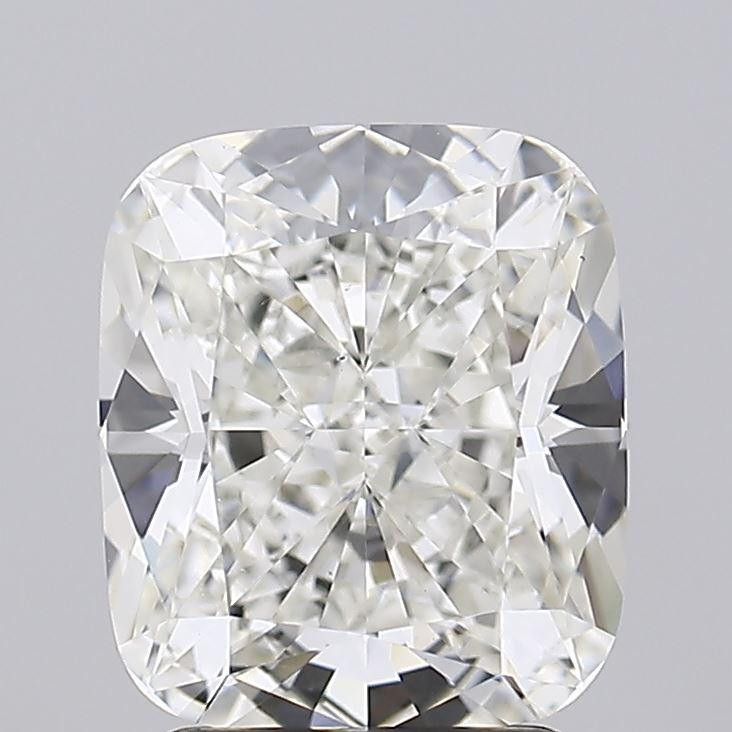
2 Carat Cushion lab diamond IGI 547261912
3 Carat Cushion lab diamond IGI 547238054
3.04 Carat Cushion lab diamond IGI 547238057
3.11 Carat Cushion lab diamond IGI 549299253
Lab Created Diamonds vs Natural Diamonds: The Main Differences
| Consideration | Lab created diamonds | Natural diamonds |
|---|---|---|
| Origin | Grown using technological processes | Formed through geological processes |
| Material | Diamond | Diamond |
| Appearance | Can closely resemble natural diamonds of comparable quality | Varies according to the individual stone’s characteristics |
| Identification | Specialist testing can establish laboratory-grown origin | Specialist testing can establish natural origin |
| Rarity | Production can expand through additional manufacturing capacity | Supply depends on finite geological deposits |
| Selection priorities | Individual quality, origin disclosure, treatments, and price | Individual quality, origin disclosure, treatments, and price |
These distinctions explain origin. They do not replace an assessment of craftsmanship, proportions, or the finished ring.
Emerald lab grown diamonds
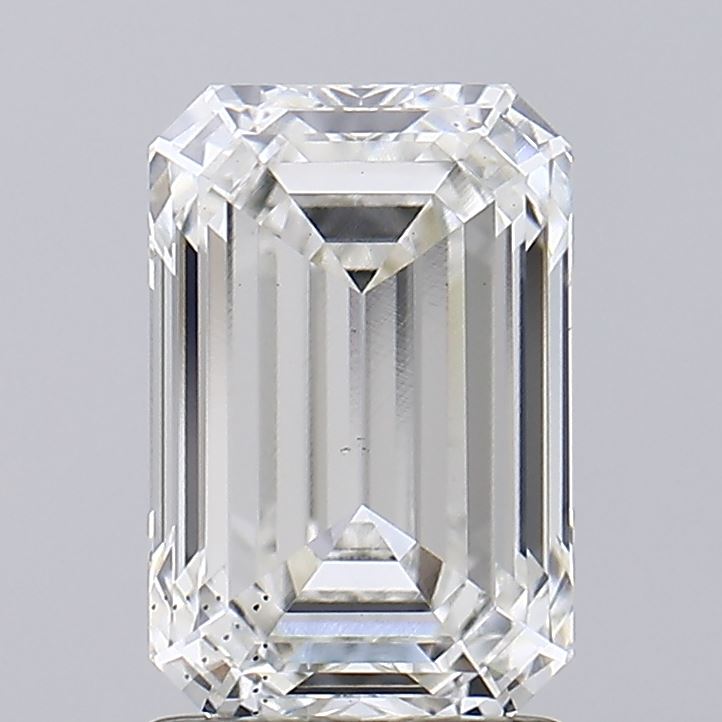
1.5 carat Emerald shape lab grown diamond – IGI 512203910
2 Carat Emerald lab diamond IGI 571323880
3 carat Emerald shape lab grown diamond – IGI 566327452
3.41 Carat Emerald lab diamond IGI 572326507
3.5 carat Emerald shape lab grown diamond – IGI 566312642
4 carat Emerald shape lab grown diamond – IGI 567356486
4.5 carat Emerald shape lab grown diamond – IGI 566312635
5.01 carat Emerald shape lab grown diamond – IGI 566332691
How to Evaluate Diamond Quality
The familiar four Cs—cut, colour, clarity, and carat weight—provide a useful framework for comparing individual stones.
Cut
Cut influences how effectively a diamond returns light to the viewer. It should not be confused with shape, which describes the outline, such as oval, pear, or cushion.
Good proportions and precise finishing can make a substantial difference to visual appeal.
Colour
For diamonds assessed on the conventional D-to-Z scale, colour grading describes increasing amounts of yellow or brown tint. Fancy-colour diamonds are assessed differently.
The setting also affects the overall impression. Yellow gold introduces warmth, while white metals create a more tonal presentation.
Clarity
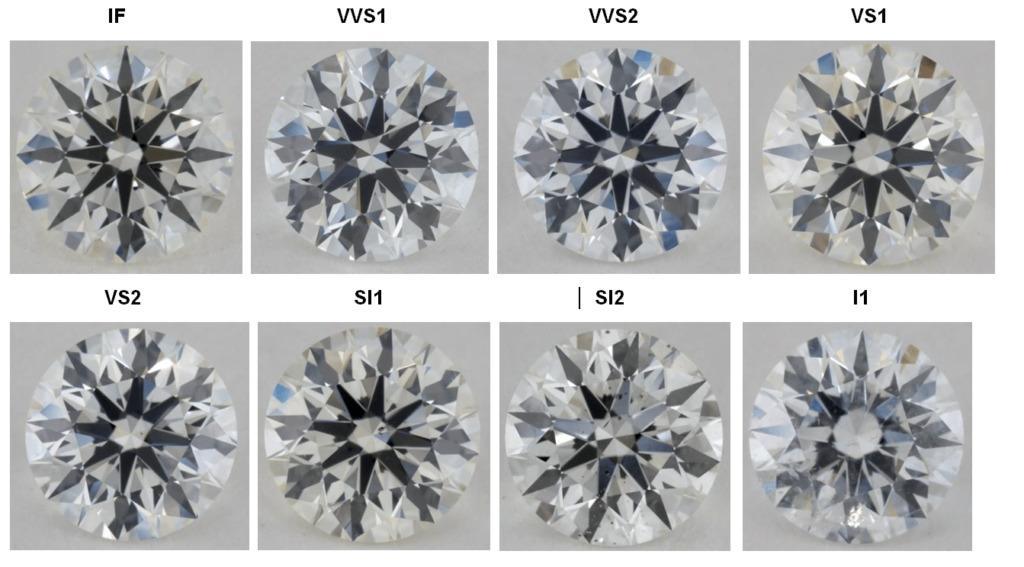
Clarity concerns internal inclusions and external blemishes. Their visibility depends on their nature, size, and position.
A higher grade does not always create an obvious improvement during everyday viewing. Examine the stone itself rather than allowing the grade to make the entire decision.
Carat Weight
Carat measures weight, not visible dimensions.
Two diamonds of equal carat weight can appear different in size because their shapes and proportions differ. Compare face-up measurements and the way each stone looks on the hand.
Radiant lab grown diamonds
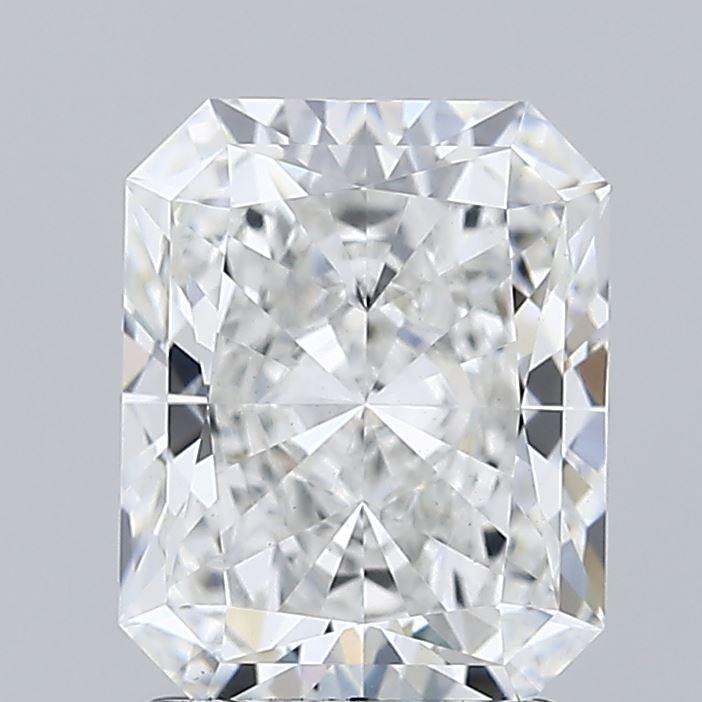
1 Carat Radiant lab diamond IGI 573399739
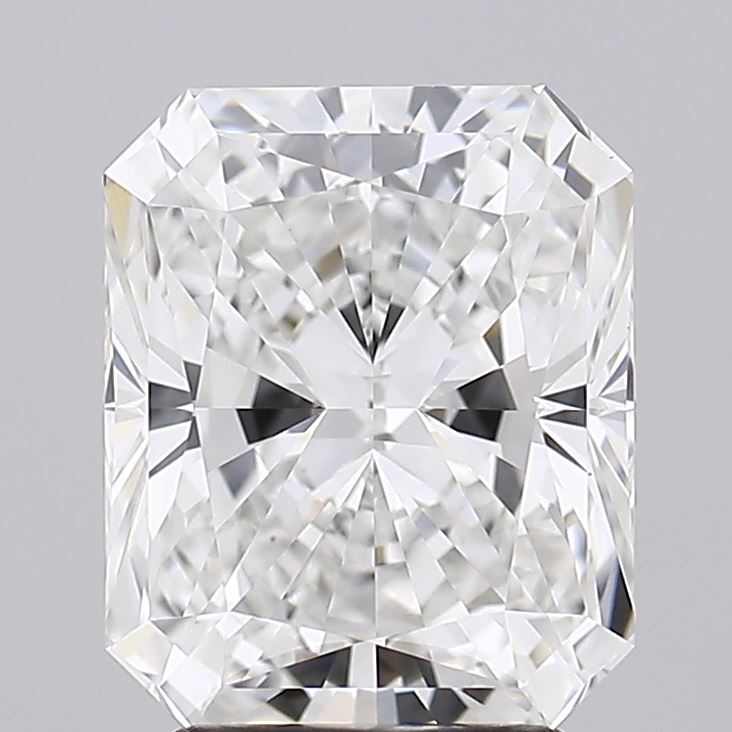
2 Carat Radiant lab diamond IGI 549299245
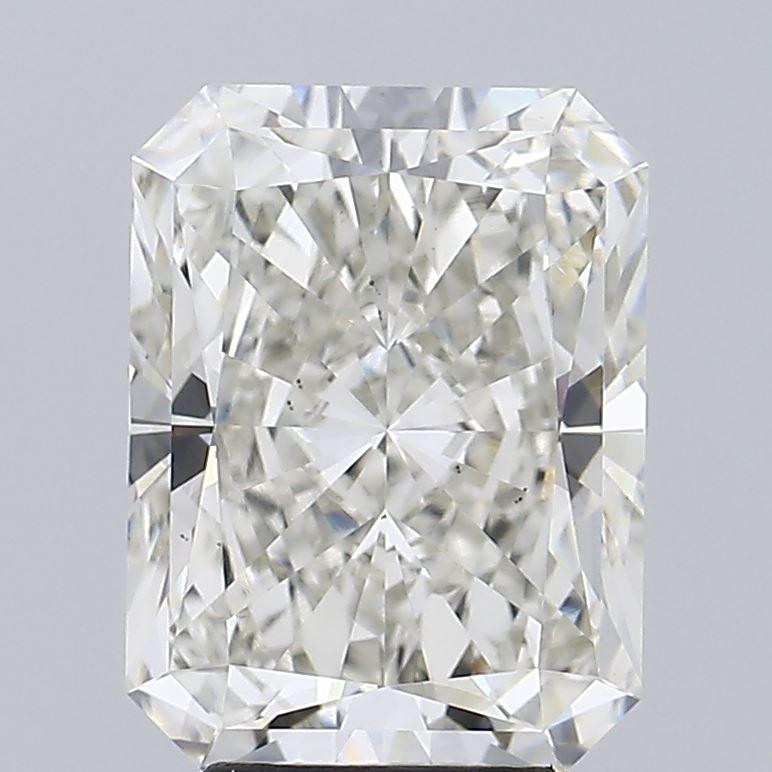
3 Carat Radiant lab diamond IGI 551280709
4.45 Carat Radiant lab diamond IGI 575390840
Understanding Price and Long-Term Value
A purchase price is only one part of value. Moreover, Personal satisfaction, workmanship, maintenance, and the meaning attached to the jewellery also matter.
Request current quotations for stones with comparable characteristics. Furthermore, Differences in cut, dimensions, colour, clarity, treatments, and documentation can make apparently similar offers difficult to compare.
Avoid assuming that a diamond will appreciate or that its resale price will resemble its retail price. Moreover, Neither natural origin nor laboratory-grown origin guarantees a financial return. Resale depends on the particular stone, market conditions, and the terms offered by a buyer.
Choose jewellery primarily because it deserves to be worn and enjoyed.
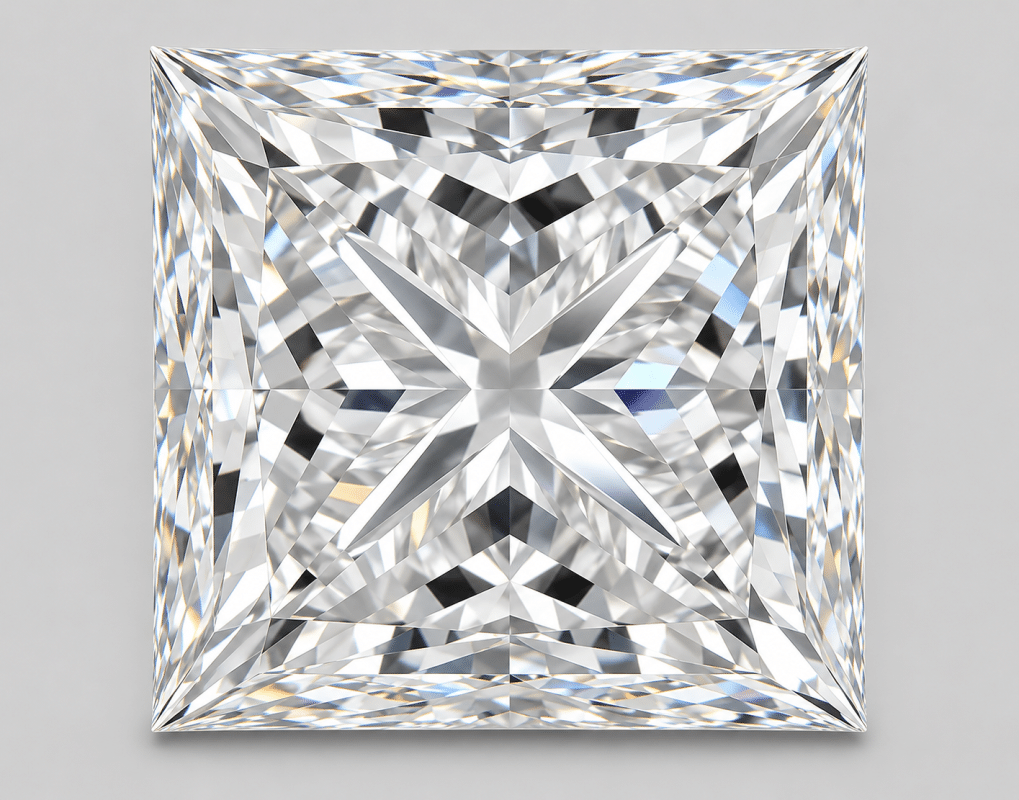
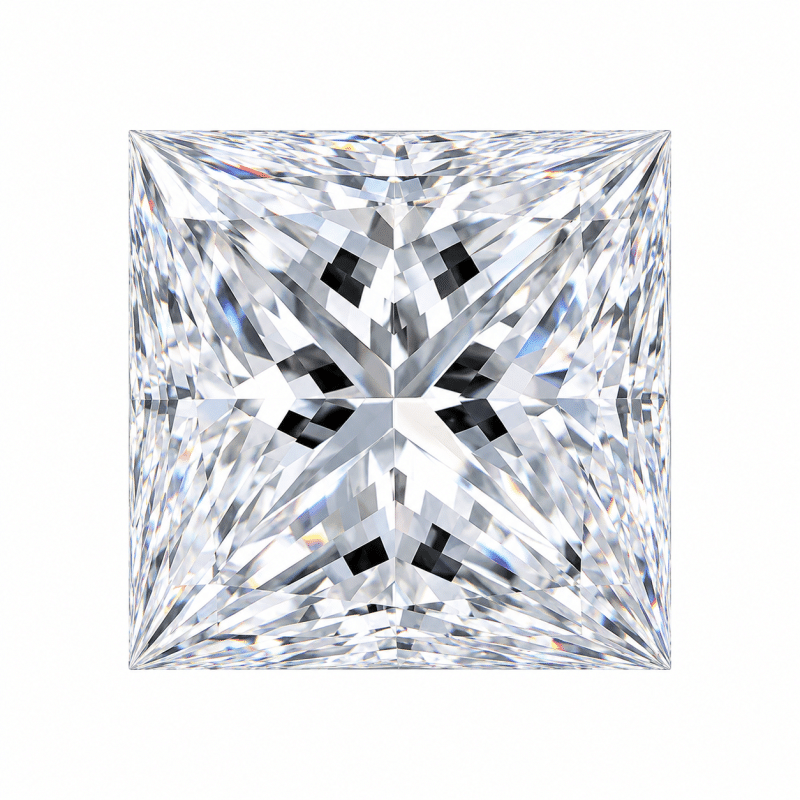
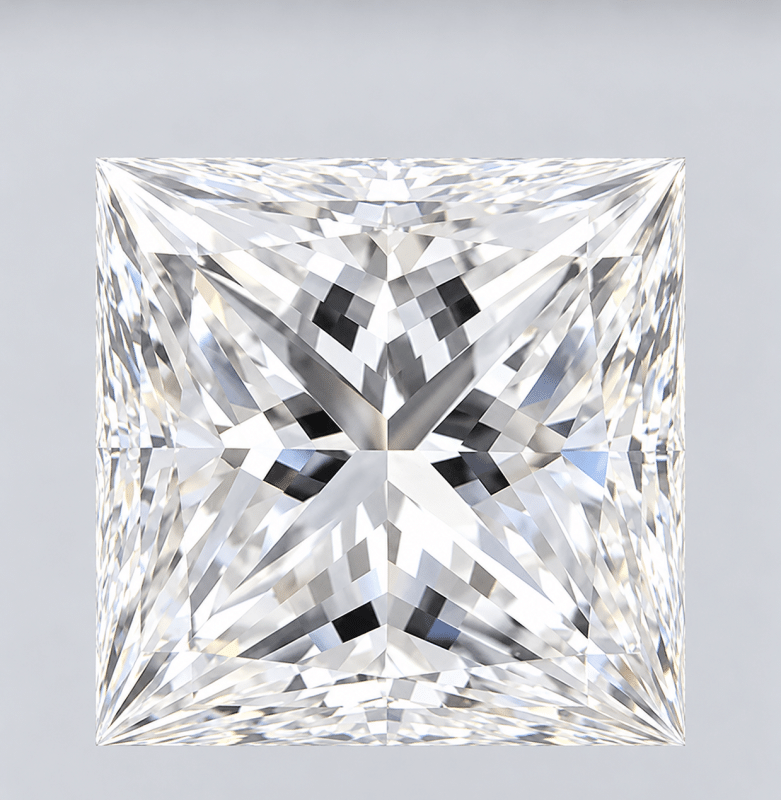
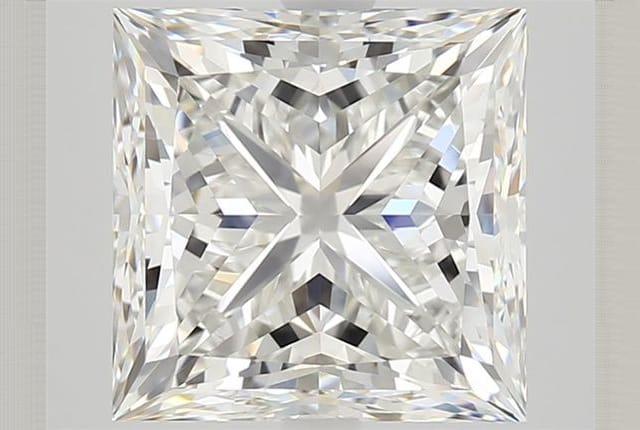
Princess lab grown diamonds
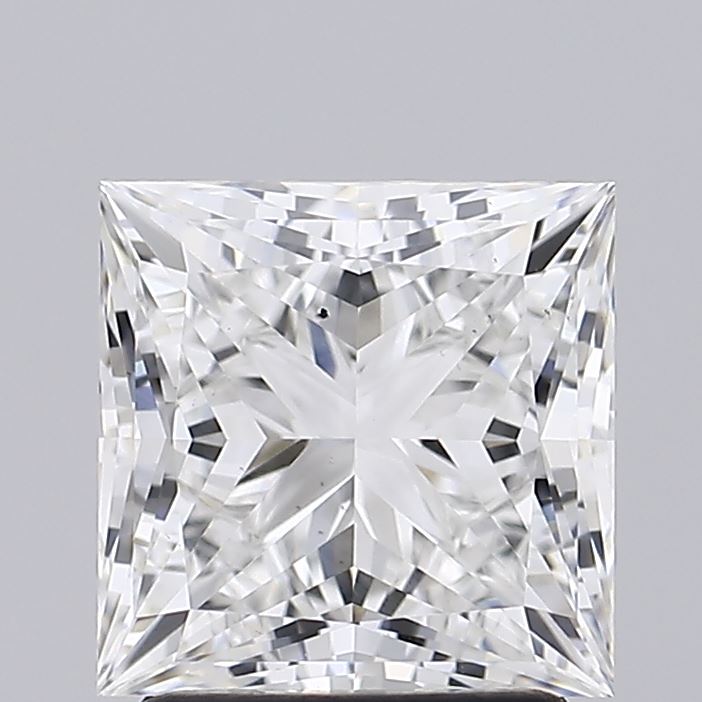
2.38 Carat Princess lab diamond IGI 550230005
5.01 carat Princess shape lab grown diamond – IGI 553236434
5.5 carat Princess shape lab grown diamond – IGI 563202166
6 carat Princess shape lab grown diamond – IGI 563200744
Princess shape 6.01 carat lab grown diamond price in dubai – IGI 563200743
Environmental and Ethical Considerations
Origin alone cannot establish a diamond’s environmental or ethical credentials.
Furthermore, Natural diamond recovery involves land, energy, water, and labour considerations. Moreover, Laboratory-grown diamond production also requires energy and industrial infrastructure. The impact of either supply chain depends on specific operating practices.
Broad claims deserve scrutiny.
Ask what evidence supports terms such as “sustainable,” “responsibly sourced,” or “carbon neutral.” Moreover, Useful information may include traceability records, clearly defined standards, independent verification, and explanations of what a particular claim covers.
A transparent answer is more valuable than an appealing label.
The Importance of Diamond Documentation
Independent gemmological documentation can help establish what is being offered. Depending on the issuing laboratory and report type, it may describe origin, measurements, assessed characteristics, and relevant treatments.
Read the document carefully. Reporting terminology and assessment systems can differ, so avoid assuming that every report presents information in an identical format.
Where a report number is inscribed on the diamond, ask for assistance checking it against the accompanying documentation. Remember that a grading report describes the stone; it is not a guarantee of market value or future performance.
The invoice should also clearly state whether the diamond is natural or laboratory-grown.
Which Is Better for an Engagement Ring?
The better choice depends on the person who will wear it.
A laboratory-grown diamond may appeal to someone who values technological innovation or wants to explore its available designs and specifications. Furthermore, A natural diamond may resonate with someone who places particular importance on geological origin and natural rarity.
Neither preference requires justification.
Discuss expectations before purchasing when possible. Moreover, An engagement ring is deeply personal, and assumptions about origin, shape, or size can overlook what the wearer actually values.
Comfort matters, too. Consider setting height, band width, stone protection, and how the ring will sit beside a wedding band.
Caring for Natural and Lab Created Diamonds
Both require thoughtful care. Diamond is exceptionally hard, but hardness does not make it immune to chipping, and the surrounding setting can wear over time.
Remove diamond jewellery before heavy lifting or activities that expose it to sharp impacts. Store pieces separately to prevent them from scratching one another.
For many uncomplicated diamond rings, warm water, mild soap, and a soft brush can remove everyday residue. Treated stones, mixed gemstones, and unusual settings may need different care, so follow the jeweller’s instructions.
Periodic inspections can identify loose stones or worn prongs before a small issue becomes a costly loss.
Can You Tell the Difference by Looking?
Generally, a person cannot reliably distinguish a laboratory-grown diamond from a natural diamond through unaided observation alone.
Both can exhibit brilliance, fire, and scintillation—the brightness, spectral flashes, and changing sparkle produced as the stone interacts with light.
Specialist gemmological equipment can detect growth-related features and other diagnostic characteristics. Appearance alone is insufficient.
This is why clear disclosure matters. The seller should identify the diamond’s origin explicitly, and any accompanying documentation should correspond to the stone being purchased.
Choosing a Diamond with Confidence
The decision between lab created diamonds or natural diamonds becomes clearer when origin, appearance, documentation, and personal priorities are considered together.
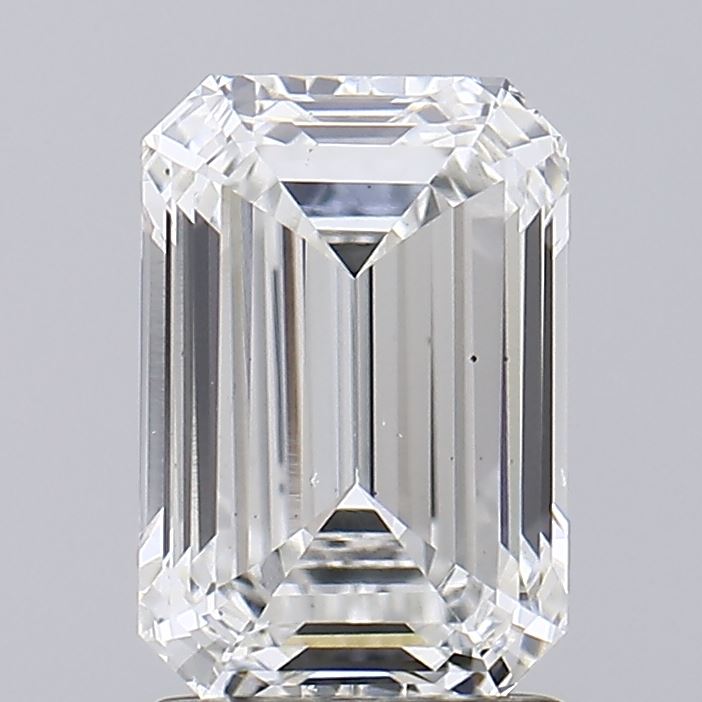
Inspect individual stones. Compare their proportions. Ask direct questions and expect clear answers.
Whether the attraction lies in geological history or technological ingenuity, the most satisfying diamond is one chosen with understanding—a stone whose beauty feels as convincing years later as it did at first sight.
Lab Created or Natural Diamonds: Choose Your Kind of Extraordinary
Some diamonds tell a story that began deep within the Earth. Others represent the precision of modern technology. Moreover, Both can become the centrepiece of your most meaningful jewellery.
When comparing lab created diamonds or natural diamonds, begin with what matters to you: origin, appearance, size, and budget. Furthermore, Laboratory-grown diamonds share essentially the same chemical composition and crystal structure as natural diamonds. They are real diamonds, distinct from simulants such as cubic zirconia.
Your choice is personal. Discover a diamond that captures your eye and gives your next chapter a beautiful beginning.
Which Diamond Sparkles More?
Neither origin guarantees greater sparkle.
A diamond’s light performance depends heavily on its cut: the arrangement and precision of its facets, its proportions, and its finish. Furthermore, A well-cut laboratory-grown diamond can look more lively than a poorly cut natural diamond, and the reverse is equally possible.
Shape also changes the visual experience. Moreover, Round brilliant diamonds produce a different pattern of sparkle from emerald cuts, whose broad, stepped facets create more measured flashes of light.
Look beyond the brightest showroom spotlight. Examine the diamond in softer lighting, move it gently, and observe whether its appearance remains appealing across different angles.
Lab Created Diamonds or Natural Diamonds: Which Should You Choose?
A diamond’s beauty is immediate. Its origin requires a closer look.
Natural diamonds form deep within the Earth, while lab created diamonds grow through controlled technological processes. Moreover, Both can display extraordinary brilliance, precise faceting, and the captivating flashes of colour that make diamond jewellery so desirable. Yet their differences matter—particularly when considering price, rarity, disclosure, and personal meaning.
Choosing between them begins with understanding what each offers. Furthermore, The right diamond should satisfy the eye, suit the budget, and reflect the significance of the purchase.
Lab Grown Diamonds: More Possibilities for Your Budget
Imagine the elongated oval, striking emerald cut, or luminous round diamond you have always pictured. Moreover, Lab grown diamonds typically cost less than natural diamonds of comparable specifications, offering more flexibility to explore a larger stone or different quality grades within your budget.
Created using controlled technological processes, laboratory-grown diamonds bring the beauty of diamond to engagement rings, anniversary gifts, and everyday jewellery. Furthermore, Their appeal extends beyond size: an elegant cut and balanced proportions can give even a modest stone remarkable presence.
For lab created diamond engagement rings, choose the shape that expresses your style, then consider cut, colour, clarity, and carat weight together. Let your budget open possibilities—and your eye make the final decision.
Natural Diamonds: Geological Rarity, Deeply Personal Meaning
Formed through natural geological processes, natural diamonds offer an origin that resonates with those drawn to the Earth’s history. Their journey gives an added dimension to jewellery chosen to celebrate commitment, achievement, or family tradition.
Natural diamond engagement rings can express anything from quiet refinement to unmistakable glamour. A solitaire highlights the centre stone; a three-stone design creates a balanced composition; a diamond-set band introduces additional sparkle.
When considering lab grown vs natural diamonds, neither origin alone determines beauty. Compare individual stones, review available diamond grading reports, and confirm any disclosed treatments. Explore both possibilities and choose the diamond you will be delighted to wear, give, and remember.
Shop Jawhara Jewellery
Jawhara Jewellery Dubai
Lab diamonds are usually more affordable than natural diamonds. Moreover, This allows you to choose a larger or higher-quality diamond while staying within your budget.
In the end, the right choice depends on your personal style, budget, and values. Furthermore, Whether you choose a natural diamond for its rarity or a lab diamonds for its sustainability and value, both offer lasting beauty and timeless elegance.